

Graphic design is much more today than making pretty layouts in this digital era when attention spans are short and visual content is part of every platform. Today, graphic design constructs narratives, evokes emotional connections, and communicates ideas with precision. In short, this art of visual storytelling within graphic design speaks with imagery, typography, color, and composition combined. It’s not just an attempt to make something look beautiful; it’s about carrying a message that strikes a chord in your audience’s minds.

Why Storytelling Matters in Design
People are wired to respond to stories. They help us make sense of information, connect emotionally, and remember experiences more vividly. It is this same storytelling that, in graphic design, takes static visuals to the level of meaningful communication. Be it a brand campaign, the launch of a product, or an awareness message on social issues, storytelling adds depth and context. When a design reflects a story-no matter how soft or loud-then it is not just an image; it is an experience.
Storytelling through design drives clarity, purpose, and emotional engagement in the flood of visual content that comes via social media, advertising, and digital platforms targeting adults between 20 and 50 years of age.
The Role of Elements in Visual Storytelling
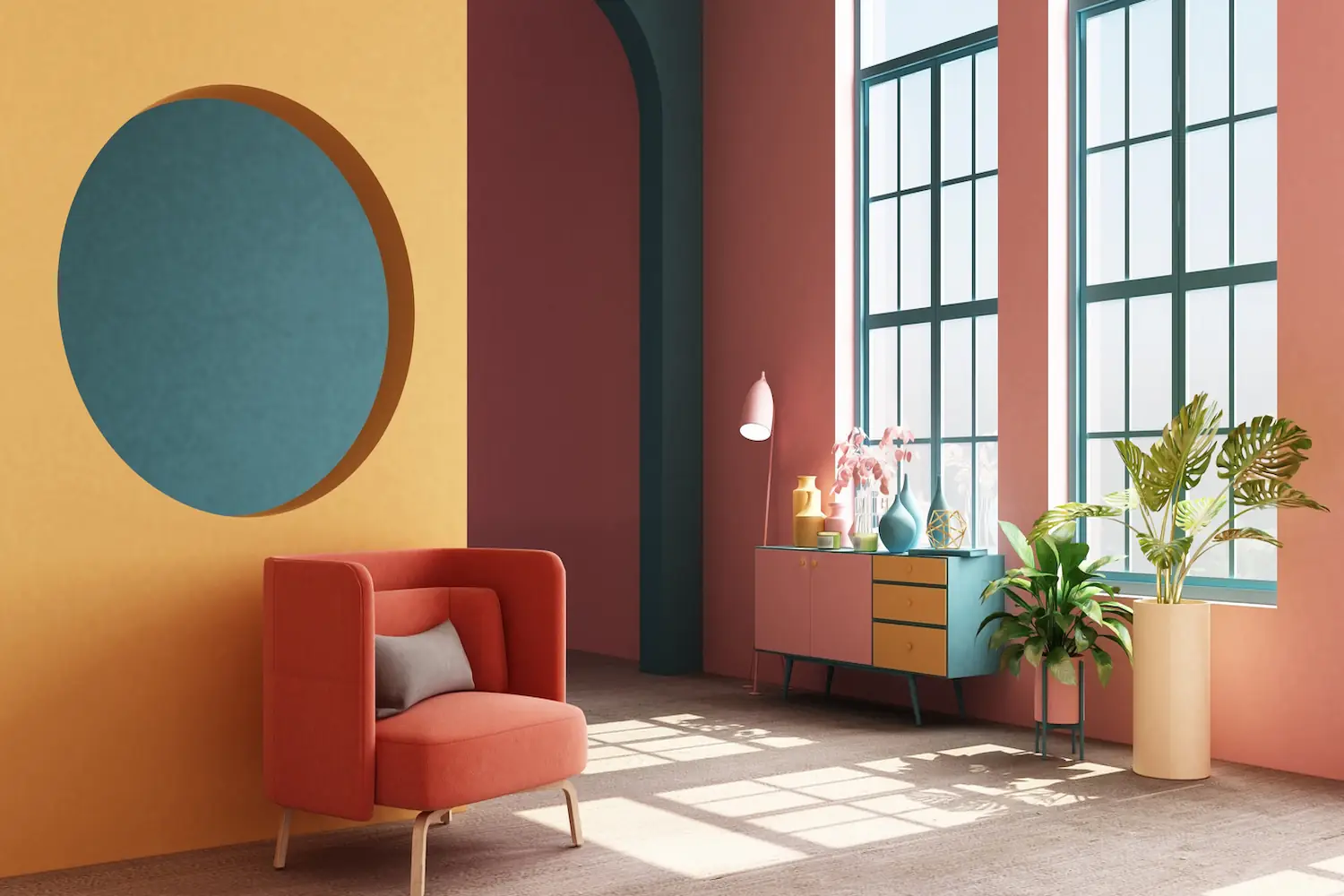
Every single visual in a design may potentially influence the viewers’ interpretation of the message. For example, color sets an emotional tone; warm colors are usually indicative of energy and enthusiasm, while cooler tones would suggest calmness and professionalism. Typography also conveys personality: bold fonts mean strength, while elegant scripts spell sophistication.
Equally key is composition: the placement of images, spacing, and visual hierarchy also control the viewers’ eye movements and instruct the viewer on how to look at the narrative. Good composition alone guarantees that the story will not only be seen but understood as intended.
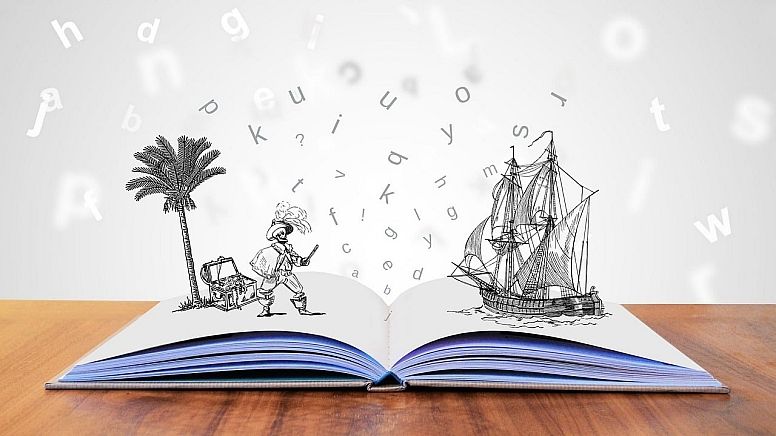
Another powerful narrator is imagery: often, illustrations, photographs, and icons can explain the most complex ideas with much more ease than text. When chosen with intent, images add authenticity and help drive the core message home.
Balancing Creativity and Purpose
While creativity is the driving force for visual communication, it is purpose that gives direction. Graphic designers must strike a balance between aesthetic expression and functional communication. A design may be beautiful but might not appropriately communicate the message. Or, it might be highly functional and just not appeal to anybody.
The art of finding the balance between creativity and strategic thinking is in the choice of the elements that look good but will also serve the narrative. This is where the balance takes visual storytelling from decoration to deep communication.
The Growing Importance in Digital Culture
Digital platforms continue to expand, and with them, the need for impactful visual storytelling grows louder. From brands through educators, creators, and people, strong visual communication depends on threading messages in an increasingly crowded space. Infographics, social media posts, website visuals, and digital ads require graphic design that will communicate quickly but effectively.
With visual storytelling, information is made simpler while emotion is evoked and engagement strengthened-all for the modern audience of working professionals and young adults. It turns everyday information into engaging stories that inspire and make a connection.

Conclusion
Graphic design is an energetic fusion of creativity and psychology to communicate through visual storytelling. It arms the designer with the means to speak through eye contact with ease, effortlessly convey meaning, and make ideas unforgettable. As technology continues to shape how we communicate, the power of a storytelling-driven design will remain; visuals transforming into stories and messages into lasting impressions.