
The design of the house is not just about choosing a pretty architectural style; one of the most important and yet underestimated factors is the geographical and climatic condition of the area in which the house is to be situated. Temperature, humidity, wind direction, sunlight intensity, and rainfall amount have a great impact on comfort, durability, and energy efficiency.

This comprehensive guide covers the strategies in home design for various climatic zones: tropical, subtropical, mountainous regions, coastal areas, and dry or semi-arid environments. It is intended for use by homeowners, contractors, and those interested in architecture in order to build durable, comfortable, and climate-responsive homes.
Why Home Design Must Adapt to Geographic Conditions
Each location varies in characteristics that define design requirements. When a home does not adapt to its environment:
- Electricity consumption rises
- Humidity can allow mold to grow.
- Materials deteriorate faster
The occupants will be less comfortable.
By designing according to climate, you can:
- Reduce energy consumption
- Extend the life-span of the building Keep good air ventilation
- Create a naturally comfortable living environment.
1. Create a naturally comfortable living environment

Characteristics
- Warm to hot throughout the year
- High humidity
- Heavy rainfall
- Intense sunlight exposure
Principles of Design
Cross Ventilation: Two opposing openings allow natural airflow to both enter and exit efficiently.
High Roofs with Wide Overhangs: Large cavities of air contribute to dissipating heat build-ups indoors.
Lightweight Materials: Interior temperatures are moderated by wood, bamboo, porous walls, and ventilation blocks.
Sunlight Control: Sunshades, canopies, and strategic window placement minimize heat penetration.
Integrated Landscaping: Shade trees and greenery cool the outdoors while purifying the air.
Primary goal: a cool, comfortable home that minimizes the need for air conditioning.
2. Home Design for Subtropical Climates
Characteristics
- Four distinct seasons
- Large temperature swings
- Possible snowfall in winter
Design Principles
Maximum Insulation: These are applied to walls, roofs, and floors with the aim of reducing thermal loss or gain.
Large South-Facing Windows: Facing north in the southern hemisphere. Capture natural warmth during winter
Durable, weather-resistant materials: Brick, stone, and concrete support maintaining consistent indoor temperatures.
Low-E Glass Windows: Reduce summer heat gain while maintaining warmth during winter.
Efficient HVAC Systems: Provide good air circulation and proper temperature throughout the year.
Principal Objective: comfort all year round, with optimum energy efficiency.
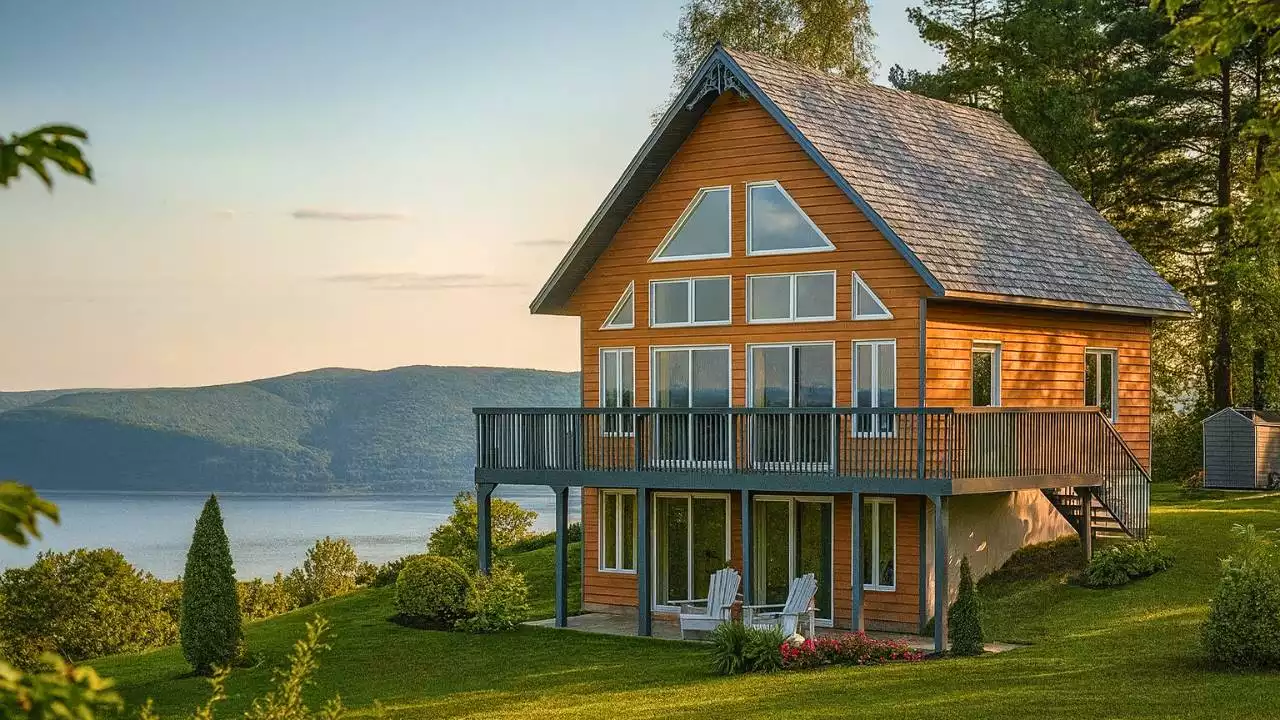
3. House Design for Mountain Regions
Characteristics
- Cold temperatures
- Strong winds
- Sudden weather changes
- Frequent fogs and heavy rainfall
Design Principles
Wind-Resistible Structure: Reinforced structures with steep roofs resist strong winds and heavy rains.
Heat-Insulating Materials: Thick wood, stone, and brick can generate indoor warmth.
Solar Windows: Large windows oriented east or south provide maximum natural sunlight.
Fireplace or Heating System: It helps to maintain comfortable indoor temperatures.
Primary Purpose: a warm, stable, weather-resistant dwelling.
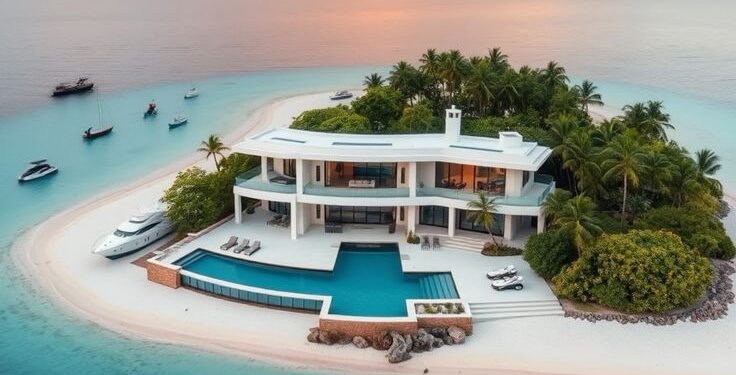
4. Home Design for Coastal Areas
Characteristics
- Strong sea winds
- High salt content
- High humidity
- Risk of Flooding and Erosion
Design Principles
Anti-Corrosion Materials: Reinforced concrete, coated steel, and salt-resistant wood minimize deterioration.
Optimal Ventilation: Reduces humidity and improves air circulation.
Raised Foundations: Protect the home from flooding and ground moisture.
Small Openings on Wind-Facing Sides: Reduce wind pressure and protect structural integrity.
Regular Maintenance: The houses closer to the sea have to be repainted and recoated more often due to salt exposure.
Primary Objective: a strong, healthy, and corrosion-resistant home.
5. Home Design for Dry / Semi Arid Regions
Properties
- Very hot days
- Cold nights
- Low rainfall
- Low humidity
Design Principles
Thick walls: Absorb heat in the daytime and release it at night.
Inner Courtyard: Provides better ventilation, allowing natural cooling.
Light-Colored Exterior: Reflects sunlight and prevents overheating.
Flat Roofs: Reduce heat absorption.
Small Openings with Proper Shading: Protect the house from excessive exposure to heat.
Main Purpose: to moderate the extremes of temperatures and maintain comfort indoors
Conclusion
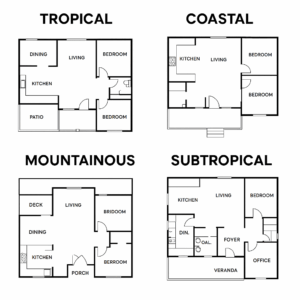
Comfortable living is possible only by adapting to the climate. There cannot be one particular home design that fits every form of geographical condition. A tropical home cannot be implemented in subtropical regions, nor would a coastal design do well in mountainous areas.
Understanding climate characteristics and applying proper principles of design may facilitate:
- Better energy efficiency
- Longer building durability
- Healthier indoor air quality
Naturally comfortable living spaces: It requires perfect design that maximizes functionality with regard to the environment and enhances aesthetic appeal.